
☎ (718) 448-1622 ➤ 2260 Victory Blvd, Staten Island, NY 10314 ➤ focusvisioncareinc@gmail.com
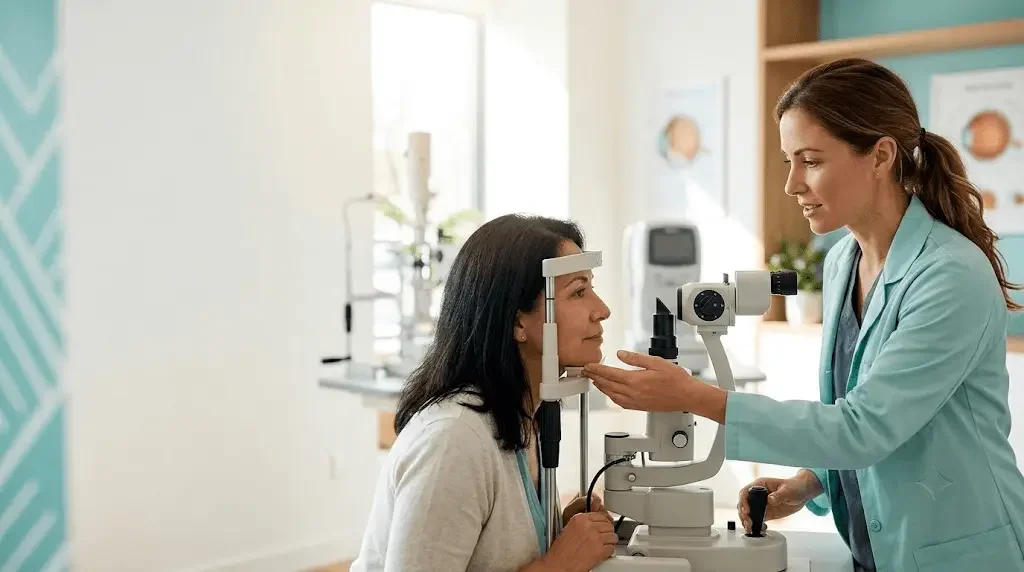
Glaucoma Symptoms: What to Watch For
Glaucoma often has no early warning signs — by the time you notice vision changes, damage may already be done. Learn what to watch for, who's most at risk, and why routine eye exams are your best defense.
Glaucoma is often called "the silent thief of sight" — and for good reason. In its most common form, it causes no pain and no noticeable symptoms until significant, irreversible vision loss has already occurred. Understanding the warning signs, even the subtle ones, and staying current on comprehensive eye exams is the best defense you have.
What Is Glaucoma?
Glaucoma is a group of eye conditions that damage the optic nerve, usually due to elevated pressure inside the eye. The optic nerve carries visual information from your eye to your brain — once it's damaged, that vision loss cannot be reversed. Glaucoma is a leading cause of blindness worldwide, but when caught early, its progression can typically be slowed or stopped with treatment.
The Two Main Types of Glaucoma (and Why Their Symptoms Differ)
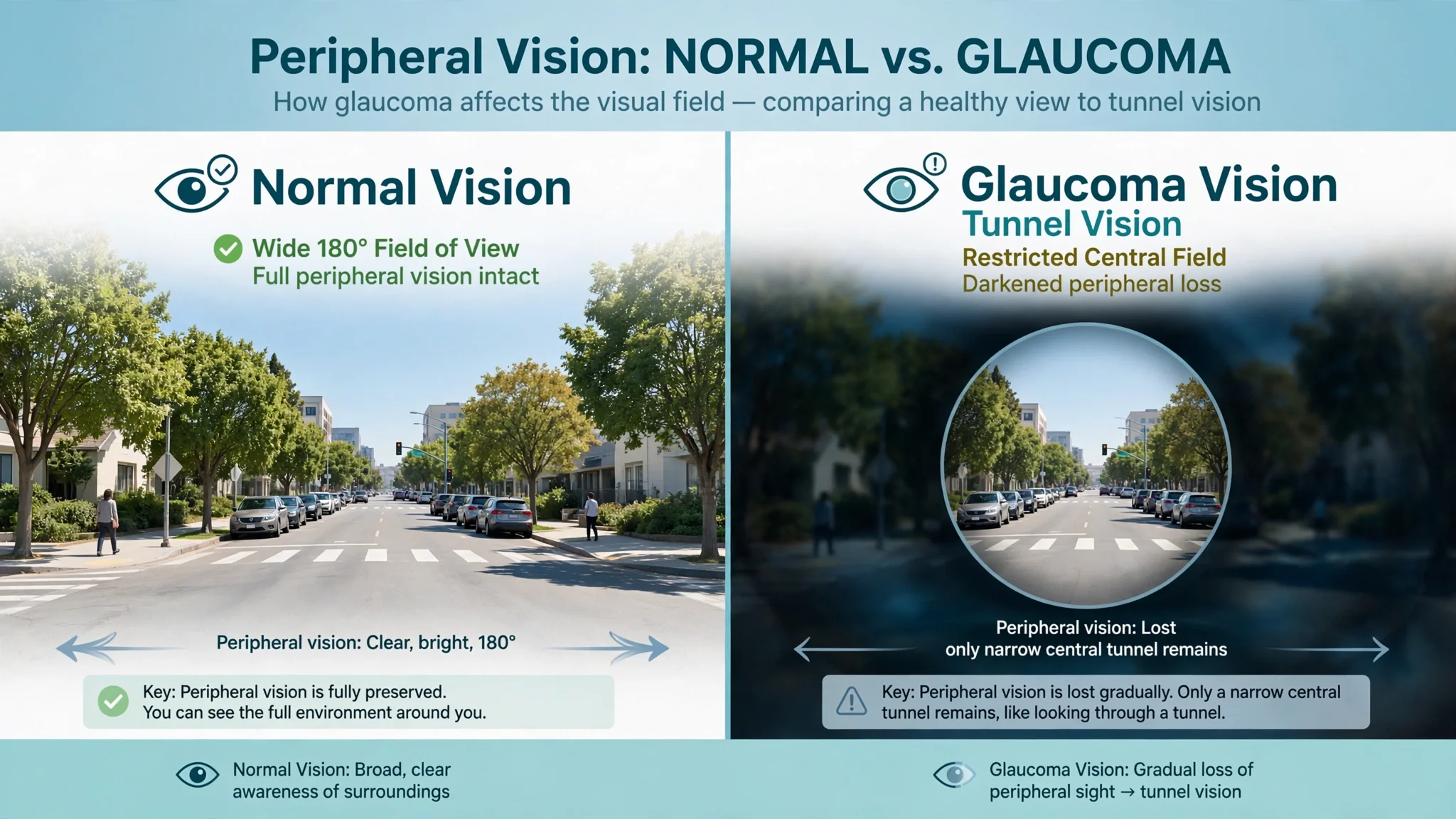
Open-Angle Glaucoma (Most Common)
This form develops slowly, often over years, with no early symptoms at all. Peripheral (side) vision is typically affected first, and because the change happens so gradually, many people don't notice until a significant portion of their vision is already gone.
Angle-Closure Glaucoma (Less Common, More Urgent)
This form can develop suddenly and is considered a medical emergency. Symptoms can include:
Sudden, severe eye pain
Blurred vision
Halos or rainbow rings around lights
Nausea and vomiting
Redness in the eye
Sudden headache
If you experience these symptoms, seek emergency care immediately — permanent vision loss can occur within hours.
Subtle Warning Signs Worth Paying Attention To
Because open-angle glaucoma progresses quietly, watch for:
Gradual loss of peripheral (side) vision — often described as "tunnel vision" in later stages
Needing more light to read or see clearly
Difficulty adjusting to dark rooms
Increased sensitivity to glare
Frequent changes in eyeglass prescription
If any of these sound familiar, it's worth scheduling an exam rather than waiting for your next annual visit.
Who's at Higher Risk?
Adults over 60
People with a family history of glaucoma
Individuals with diabetes
People with high eye pressure (ocular hypertension)
Those who are highly nearsighted or farsighted
People of African, Hispanic, or Asian descent (higher risk for certain glaucoma types)
According to the National Eye Institute, these risk factors can raise your likelihood of developing glaucoma several times over compared to the general population.
If any of these apply to you, annual eye exams — rather than every two years — are typically recommended.
How Glaucoma Is Diagnosed
Glaucoma can't be diagnosed by symptoms alone, especially in its early stages. A comprehensive eye exam typically includes:
| Test | What It Checks |
|---|---|
| Tonometry | Pressure inside your eye |
| Optic nerve evaluation | Visible signs of nerve damage |
| Visual field testing | Gaps in peripheral vision |
| Pachymetry | Corneal thickness (affects pressure readings) |
Frequently Asked Questions
-
No, but it can almost always be managed. Treatment — typically eye drops, laser therapy, or surgery — aims to lower eye pressure and slow or stop further optic nerve damage. Vision already lost to glaucoma cannot be restored, which is why early detection matters so much.
-
Adults under 40 with no risk factors are usually fine with an exam every 1-2 years. Adults over 60, or anyone with risk factors like diabetes or a family history, should be screened annually.
-
No. Some people have elevated eye pressure with no optic nerve damage (ocular hypertension), and some people develop glaucoma with normal eye pressure. That's why a full exam — not just a pressure check — is necessary.
-
Family history significantly raises your risk. If a parent or sibling has glaucoma, you're up to 4x more likely to develop it, which is a good reason to mention it at your next exam.
-
Routine screening typically starts around age 40, or earlier if you have risk factors like diabetes, high eye pressure, or a family history of the disease.
Because glaucoma rarely causes noticeable symptoms until damage has already occurred, the most reliable way to catch it early is through regular comprehensive eye exams — not by waiting for warning signs. If you're over 60, have a family history of glaucoma, or haven't had an eye exam in the past year, now is a good time to schedule one.

How to Prevent Eye Infections: Simple Tips for Healthy Eyes
Learn 5 simple ways to prevent eye infections, including proper hand washing, contact lens care, eye makeup hygiene, and avoiding eye rubbing. Find out when you should see an eye doctor in Staten Island.
Eye infections can cause redness, itching, swelling, irritation, and discharge. Fortunately, many common eye infections can be prevented with a few simple daily habits.

If you live in Staten Island, NY and are experiencing symptoms of an eye infection, an eye doctor can determine the cause and recommend the right treatment.
5 Simple Ways to Prevent Eye Infections
1. Wash Your Hands Before Touching Your Eyes
Your hands can carry bacteria and viruses. Wash your hands with soap and water before:
Touching or rubbing your eyes
Putting in or removing contact lenses
Applying eye makeup
Using eye drops
2. Don't Share Eye Makeup or Eye Products
Avoid sharing mascara, eyeliner, eye makeup brushes, contact lenses, or eye drops. Sharing these items can spread germs and increase your risk of an eye infection.
Replace old eye makeup regularly, especially mascara and liquid eyeliner.
3. Take Care of Your Contact Lenses
Proper contact lens care is one of the best ways to protect your eyes.
Always:
Use fresh contact lens solution
Follow your eye doctor's instructions
Keep your contact lens case clean
Replace lenses and cases as recommended
Avoid sleeping in contacts unless your eye doctor has approved it
Never use water or saliva to clean contact lenses.
4. Remove Eye Makeup Before Bed
Leaving makeup on overnight can irritate your eyes and contribute to blocked glands or infection.
Gently remove makeup from your eyelids and lashes every night. Avoid getting makeup remover directly into your eyes.
5. Avoid Rubbing Your Eyes
Itchy eyes can be tempting to rub, but rubbing can transfer germs to your eyes and cause additional irritation.
Instead, wash your hands and use a clean, cool compress if your eyes feel irritated.
When Should You See an Eye Doctor?
Contact an eye doctor if you develop:
Persistent eye redness
Swelling around the eye
Eye pain
Yellow or green discharge
Increased sensitivity to light
Blurred or changing vision
Symptoms that are getting worse
Some eye infections can require professional treatment, so don't ignore symptoms that persist or become severe.
Eye Infection Treatment in Staten Island, NY
If you're looking for eye infection treatment in Staten Island, Focus Vision Care provides eye care for patients
Visit us at 2260 Victory Blvd, Staten Island, NY 10314
Call us at 718-448-1622
Book your eye exam: Focus Vision Care
If you have redness, irritation, swelling, or discharge, schedule an eye exam to find out what's causing your symptoms.
Healthy eyes start with good daily habits. Take care of your eyes, and don't ignore changes in your vision or eye health
Back-to-School Eye Exams in Staten Island
Getting ready for school? Learn why a comprehensive eye exam is essential for children and college students. Schedule your back-to-school eye exam at Focus Vision Care in Staten Island.
Help Your Child Start the School Year Strong.
As your family gets ready for a new school year, don't forget one important part of your child's health, their vision.
Many children pass a school vision screening but still have vision problems that can affect reading, learning, focus, and classroom performance. A comprehensive eye exam looks beyond the eye chart to detect issues that screenings often miss.
Why a Comprehensive Eye Exam Matters
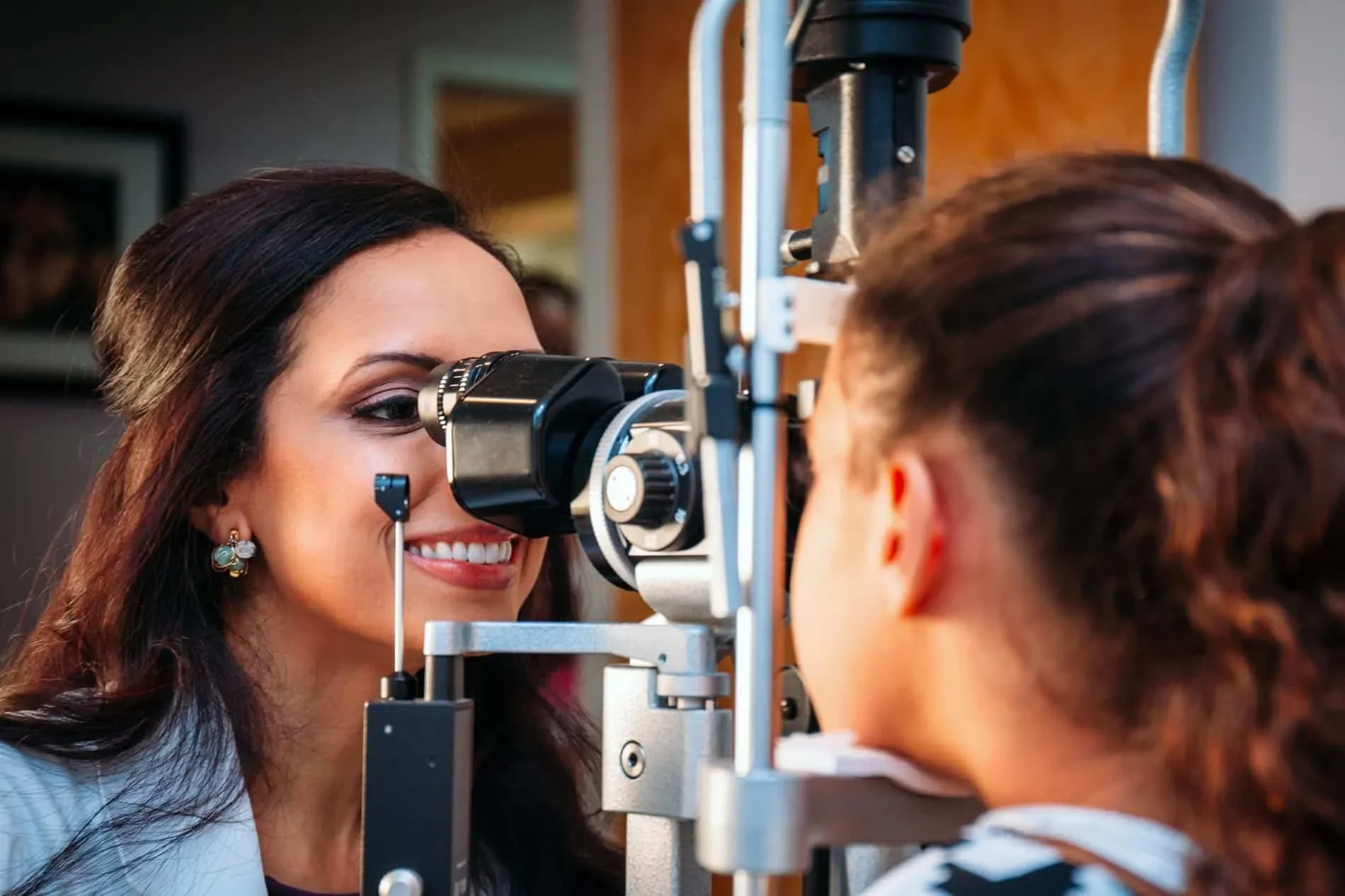
Good vision is about much more than seeing 20/20.
At Focus Vision Care, our comprehensive eye exams evaluate:
Eye teaming and coordination
Focusing ability
Eye tracking for reading
Depth perception
Overall eye health
Amblyopia (lazy eye)
Strabismus (eye turn)
Nearsightedness, farsightedness, and astigmatism
Myopia progression and treatment
Early detection can make a significant difference in your child's success both in and out of the classroom.
Signs Your Child May Need an Eye Exam
Schedule a comprehensive eye exam if your child has:
Frequent headaches or eye strain
Trouble reading or concentrating
Declining grades
Blurred vision after screen time
Squinting or rubbing their eyes
Sitting too close to the TV or computer
Difficulty keeping their place while reading
A family history of eye disease or high myopia
Even if your child passed a school vision screening, these symptoms shouldn't be ignored.
Don't Forget College Students
Long hours on laptops, tablets, and smartphones can lead to digital eye strain, dry eyes, headaches, blurred vision, and worsening nearsightedness. A yearly eye exam can help college students stay comfortable, productive, and focused throughout the school year.
Why Staten Island Families Choose Focus Vision Care
For more than 25 years, Focus Vision Care has proudly cared for families throughout Staten Island.
We offer:
Comprehensive eye exams for children and adults
Pediatric eye care
Myopia management
Dry eye treatment
Contact lens fittings
Advanced diagnostic technology
Personalized, compassionate care
Our mission is simple: help every patient enjoy clear, healthy vision at every stage of life.
Schedule Your Child's Back-to-School Eye Exam Today
A healthy school year starts with healthy vision. If you're looking for a trusted pediatric eye doctor in Staten Island, we're here to help.
Located at 2260 Victory Blvd, Staten Island, NY 10314
Call us 718-448-1622
Book your appointment online https://www.focusvisioncare.com
Schedule your child's comprehensive eye exam today and help them see, learn, and succeed this school year.
Helping Children Learn Better, One Eye Exam at a Time.
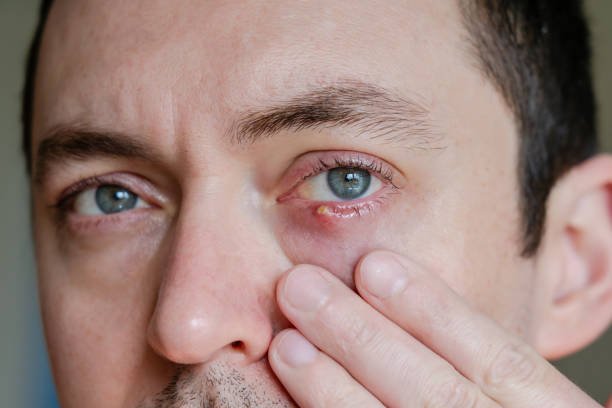
Stye on Your Eyelid? Here's What You Need to Know
Have a painful bump on your eyelid? Learn what causes a stye, how to treat it at home, and when to visit Focus Vision Care in Staten Island for expert eye care.
If you've noticed a painful red bump on your eyelid that looks like a pimple, you may have a stye. Styes are common and usually aren't serious, but they can be uncomfortable and sometimes require treatment from an eye doctor.
If you're looking for stye treatment in Staten Island, NY, the team at Focus Vision Care is here to help.
What Is a Stye?
A stye (also called a hordeolum) is a small infection of an oil gland in your eyelid. It usually forms near the base of your eyelashes and can cause redness, swelling, and tenderness.
Common Symptoms
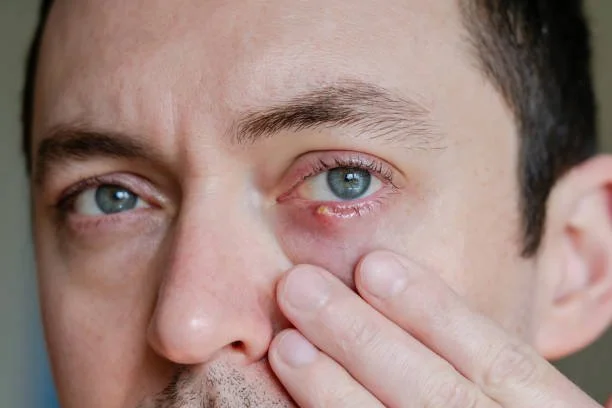
A red, swollen bump on the eyelid
Pain or tenderness
Watery eyes
A gritty or scratchy feeling
Mild eyelid swelling
How to Treat a Stye at Home
Most styes heal on their own within a few days.
To help speed up healing:
Apply a warm compress for 10–15 minutes, 3–4 times a day.
Keep your eyelid clean.
Don't squeeze or pop the stye.
Avoid wearing eye makeup or contact lenses until it has healed.
When Should You See an Eye Doctor?
Make an appointment if:
The stye isn't improving after a week.
It becomes larger or more painful.
Your eyelid becomes very swollen.
Your vision is affected.
You get styes frequently.
An eye doctor can determine whether it's truly a stye or another eyelid condition and recommend the right treatment.
Stye Treatment in Staten Island
At Focus Vision Care, we provide expert diagnosis and treatment for styes and other eyelid conditions. If your stye isn't going away or keeps coming back, we'll evaluate the cause and recommend the best treatment to help you heal safely and comfortably.
Visit Focus Vision Care
Address
2260 Victory Blvd
Staten Island, NY 10314
Call Us
718-448-1622
Book an Appointment Online
https://www.focusvisioncare.com
Don't ignore a painful or persistent stye. The sooner it's evaluated, the sooner you can get relief.
We proudly serve patients throughout Staten Island and the surrounding communities with comprehensive eye care for the whole family.
Dry Eye Disease: Symptoms, Causes & Treatment in Staten Island, NY
Learn the symptoms, causes, and treatment options for Dry Eye Disease. Discover how Focus Vision Care helps patients find lasting dry eye relief in Staten Island, NY.
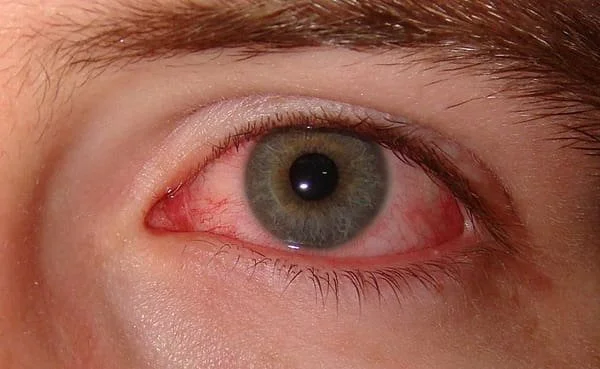
If your eyes often feel dry, itchy, irritated, or tired, you may be dealing with Dry Eye Disease. It's one of the most common eye conditions, affecting people of all ages, especially those who spend hours on computers, phones, or tablets.
The good news? Dry Eye can be diagnosed and treated with the right care.
What Is Dry Eye Disease?
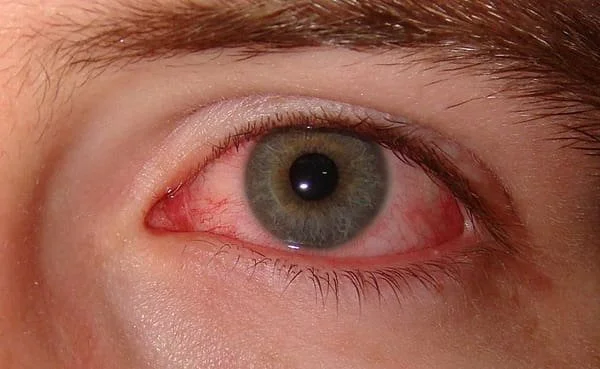
Dry Eye Disease occurs when your eyes don't produce enough tears or when your tears evaporate too quickly. Healthy tears are essential for keeping your eyes comfortable, clear, and protected.
Without enough quality tears, you may experience ongoing discomfort and blurry vision that can affect your daily life.
Common Symptoms of Dry Eye
You may have Dry Eye Disease if you notice:
Dry, itchy, or burning eyes
A gritty feeling, like something is stuck in your eye
Red or irritated eyes
Blurry or fluctuating vision
Watery eyes (a common response to dryness)
Eye fatigue, especially after screen time
Difficulty wearing contact lenses
What Causes Dry Eye?
Several factors can contribute to Dry Eye, including:
Extended screen time
Air conditioning, heating, wind, or dry environments
Contact lens wear
Aging
Certain medications
Allergies
Autoimmune conditions
Previous eye surgery
Dry Eye Treatment in Staten Island
At Focus Vision Care, we provide comprehensive Dry Eye evaluations using advanced diagnostic technology to identify the root cause of your symptoms.
Your personalized treatment plan may include:
Prescription or lubricating eye drops
In-office Dry Eye treatments
Eyelid hygiene recommendations
Lifestyle and nutrition guidance
Long-term management to improve eye comfort
Our goal is to help you achieve clearer vision and lasting relief.
When Should You See an Eye Doctor?
If your symptoms continue for more than a few days or interfere with your work, driving, reading, or daily activities, it's time for a professional Dry Eye evaluation. Early treatment can help prevent long-term damage to the surface of your eyes.
Schedule Your Dry Eye Evaluation in Staten Island
If you're looking for Dry Eye treatment in Staten Island, NY, the team at Focus Vision Care is here to help.
Located at 2260 Victory Blvd, Staten Island, NY 10314
Call us 718-448-1622
Book your appointment online https://www.focusvisioncare.com
Don't let Dry Eye keep you from seeing and feeling your best!
Photochromic Lenses vs. Prescription Sunglasses: Which Is Best for Staten Island Patients?
Compare transition lenses and prescription sunglasses to find the best choice for your lifestyle. Visit Focus Vision Care in Staten Island for personalized lens recommendations and comprehensive eye exams.
If you're tired of switching between your glasses and sunglasses, you may be wondering whether photochromic (transition) lenses are a better option.
What Are Photochromic Lenses?
Photochromic lenses are clear indoors and automatically darken when exposed to sunlight. They offer UV protection and are a convenient choice for people who wear prescription glasses every day.

Pros:
One pair of glasses for indoor and outdoor use
UV protection
Convenient for daily wear
Cons:
Don't darken fully inside most cars
Take a few moments to adjust when moving between light and dark environments
What About Sunglasses?
Sunglasses are always tinted and provide instant protection from bright sunlight. Polarized sunglasses can also reduce glare while driving or spending time outdoors.
Pros:
Immediate sun protection
Great for driving and outdoor activities
Polarized options reduce glare
Cons:
Requires a separate pair if you wear prescription glasses
Which Should You Choose?
Photochromic lenses are ideal if you want the convenience of one pair of glasses. If you spend a lot of time driving or outdoors, prescription sunglasses may provide better comfort and glare protection.
At Focus Vision Care in Staten Island, we help patients choose the right lenses for their lifestyle and vision needs. Whether you're considering transition lenses, prescription sunglasses, or both, our team can help you find the best option.
Located at 2260 Victory Blvd, Staten Island, NY 10314
Call us at 718-448-1622
Book online:https://www.focusvisioncare.com/
Blue Light Blocking: Do You Really Need It?
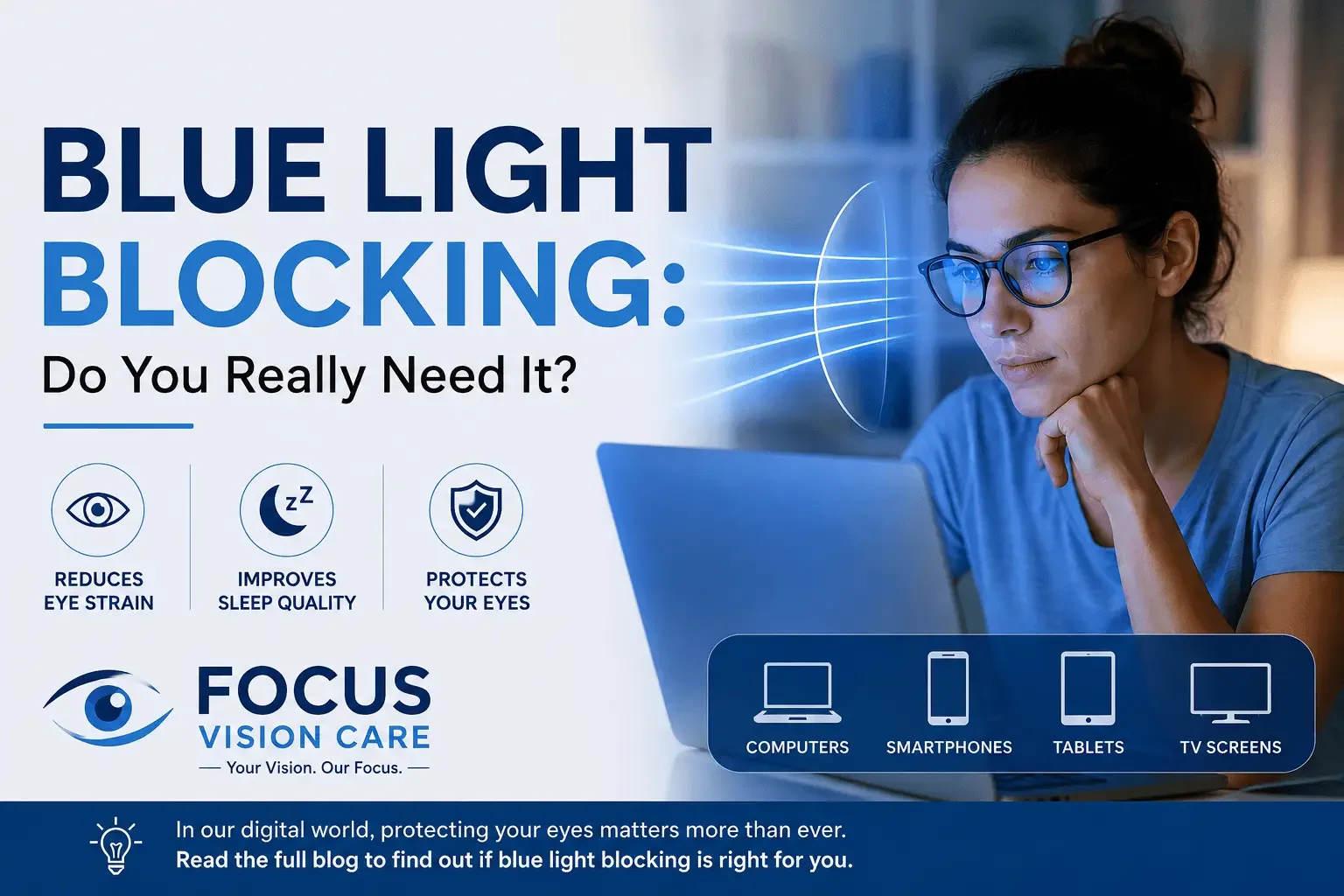
Wondering if blue light blocking glasses really help? Learn how blue light affects your eyes, who may benefit from blue light protection, and simple tips to reduce digital eye strain.
If you spend hours on a computer, tablet, or phone each day, you've probably heard about blue light blocking glasses. But do they really help?
Blue light is a natural part of sunlight and helps keep us alert during the day. The challenge is that we are exposed to screens much longer than ever before, especially in the evening. For some people, this can contribute to eye strain, headaches, and difficulty falling asleep.
Blue light blocking glasses and screen filters are designed to reduce the amount of blue light reaching your eyes. They may help improve comfort during long screen sessions and support better sleep when used at night.
You may benefit from blue light protection if:
You use digital devices for several hours daily
You frequently experience eye strain or headaches
You have trouble falling asleep after screen time
A few simple habits can also help:
Turn on Night Mode on your devices
Follow the 20-20-20 rule
Take regular breaks from screens
Reduce screen use before bedtime
At Focus Vision Care, we help patients find solutions for digital eye strain and screen-related vision concerns. If you're experiencing tired eyes, headaches, or blurred vision after long hours on screens, schedule an eye exam with our team to discuss whether blue light blocking lenses are right for you.
Located at 2260 Victory Blvd, Staten Island, NY 10314
Call us at 718-448-1622
Book online:https://www.focusvisioncare.com/