
☎ (718) 448-1622 ➤ 2260 Victory Blvd, Staten Island, NY 10314 ➤ focusvisioncareinc@gmail.com
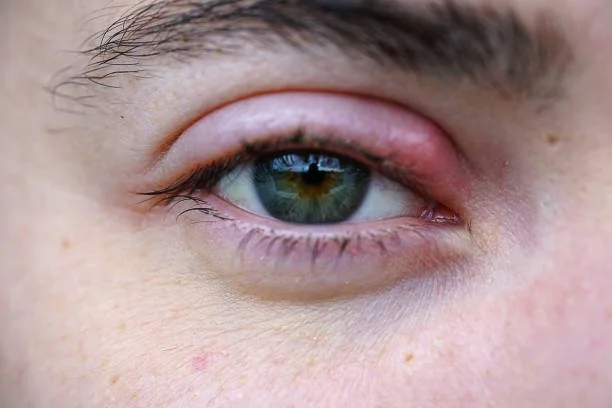
Why Do I Keep Getting Styes?
Keep getting styes? Recurrent styes may be linked to blepharitis, blocked eyelid oil glands, poor eyelid hygiene, dry eye, or other underlying conditions. Learn why styes keep coming back and how proper eye care can help prevent them.
Have you ever had a stye disappear, only to have another one show up a few weeks later?
If you keep getting styes, there may be more going on than just bad luck. Recurrent styes can sometimes be related to eyelid inflammation, blocked oil glands, poor eyelid hygiene, or certain skin conditions.
Here are some of the most common reasons.
1. Blepharitis
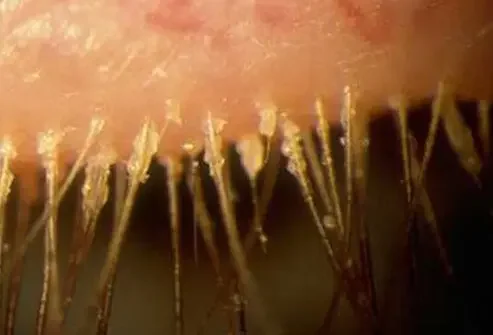
Blepharitis is inflammation of the eyelids and is a common cause of recurring eyelid problems.
If your eyelids are often red, itchy, crusty, irritated, or burning, blepharitis may be contributing to your styes.
2. Blocked Oil Glands
Your eyelids contain tiny oil glands called meibomian glands. They produce oils that help keep your tears from evaporating.
When these glands become blocked or don't work properly, they can contribute to styes, chalazia, eyelid inflammation, and dry eyes.
3. Poor Eyelid Hygiene
Oil, makeup, skin debris and bacteria can build up along your eyelashes and eyelids.
If you frequently get styes, make sure you:
Remove eye makeup before bed
Keep your eyelids clean
Wash your hands before touching your eyes
Avoid rubbing your eyes
4. Makeup & Contact Lens Hygiene
Old eye makeup, dirty makeup brushes, or improper contact lens hygiene can increase irritation and bacterial exposure around the eyes.
Replace old eye makeup regularly and always wash your hands before handling contact lenses.
5. Rosacea & Skin Conditions
Skin conditions such as rosacea and dandruff can sometimes affect the eyelids and contribute to inflammation and blocked oil glands.
If you have recurring styes along with chronic eyelid irritation, it's worth having your eyelids evaluated.
Stye or Chalazion?
Not every eyelid bump is a stye.
A stye is usually red, swollen and tender.
A chalazion is typically a firmer lump that develops when an oil gland becomes blocked. It may remain even after the initial inflammation goes away.
An eye examination can help determine what you're actually dealing with.
How Can I Stop Getting Styes?
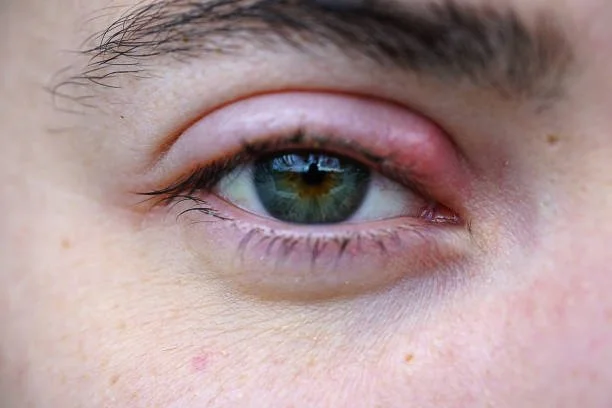
If styes keep coming back, don't just treat each new bump. Find out what's causing them.
Your eye doctor may evaluate your eyelids, oil glands and ocular surface for conditions such as blepharitis, meibomian gland dysfunction and dry eye disease and recommend a personalized prevention plan.
Recurrent Styes? We Can Help.
At Focus Vision Care in Staten Island, we look beyond the stye to identify underlying eyelid and eye-surface problems that may be causing repeated flare-ups.
If you're tired of getting styes over and over, schedule an eye evaluation and let us help you find the cause.
Address
2260 Victory Blvd
Staten Island, NY 10314
Call Us
718-448-1622
Book an Appointment Online
https://www.focusvisioncare.com
Don't just treat the next stye. Find out why it keeps coming back.
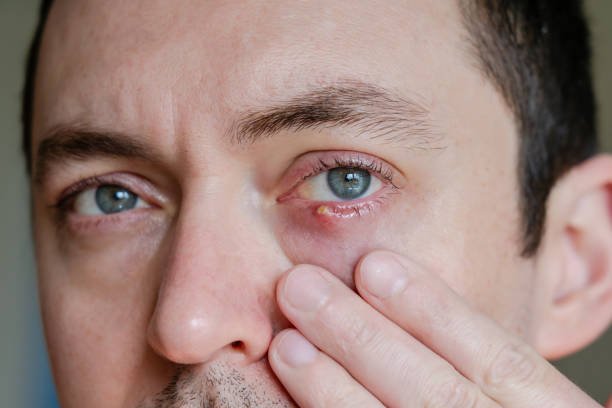
Stye on Your Eyelid? Here's What You Need to Know
Have a painful bump on your eyelid? Learn what causes a stye, how to treat it at home, and when to visit Focus Vision Care in Staten Island for expert eye care.
If you've noticed a painful red bump on your eyelid that looks like a pimple, you may have a stye. Styes are common and usually aren't serious, but they can be uncomfortable and sometimes require treatment from an eye doctor.
If you're looking for stye treatment in Staten Island, NY, the team at Focus Vision Care is here to help.
What Is a Stye?
A stye (also called a hordeolum) is a small infection of an oil gland in your eyelid. It usually forms near the base of your eyelashes and can cause redness, swelling, and tenderness.
Common Symptoms
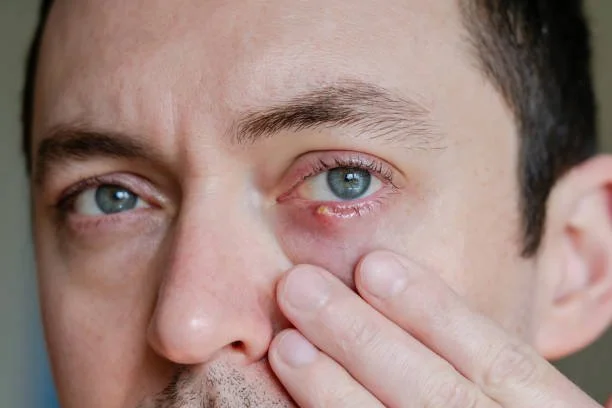
A red, swollen bump on the eyelid
Pain or tenderness
Watery eyes
A gritty or scratchy feeling
Mild eyelid swelling
How to Treat a Stye at Home
Most styes heal on their own within a few days.
To help speed up healing:
Apply a warm compress for 10–15 minutes, 3–4 times a day.
Keep your eyelid clean.
Don't squeeze or pop the stye.
Avoid wearing eye makeup or contact lenses until it has healed.
When Should You See an Eye Doctor?
Make an appointment if:
The stye isn't improving after a week.
It becomes larger or more painful.
Your eyelid becomes very swollen.
Your vision is affected.
You get styes frequently.
An eye doctor can determine whether it's truly a stye or another eyelid condition and recommend the right treatment.
Stye Treatment in Staten Island
At Focus Vision Care, we provide expert diagnosis and treatment for styes and other eyelid conditions. If your stye isn't going away or keeps coming back, we'll evaluate the cause and recommend the best treatment to help you heal safely and comfortably.
Visit Focus Vision Care
Address
2260 Victory Blvd
Staten Island, NY 10314
Call Us
718-448-1622
Book an Appointment Online
https://www.focusvisioncare.com
Don't ignore a painful or persistent stye. The sooner it's evaluated, the sooner you can get relief.
We proudly serve patients throughout Staten Island and the surrounding communities with comprehensive eye care for the whole family.
Advanced Dry Eye Treatments in Staten Island: TearCare & Lacrifill
Struggling with dry, burning, or watery eyes? Learn how TearCare®, Lacrifill®, and advanced meibography help treat Dry Eye Disease at Focus Vision Care in Staten Island.
If you've been using artificial tears every day but still experience burning, gritty, or watery eyes, it may be time to look beyond eye drops. While over-the-counter lubricating drops can provide temporary relief, they don't always address the underlying cause of Dry Eye Disease.
At Focus Vision Care in Staten Island, we believe successful treatment starts with an accurate diagnosis. Using advanced technology such as meibography, we can identify what's causing your dry eye symptoms and recommend personalized treatments designed to provide longer-lasting relief.
Why Finding the Cause Matters
Dry Eye Disease isn't the same for everyone. Some people don't produce enough tears, while others have tears that evaporate too quickly because the oil glands in their eyelids aren't functioning properly.
That's why the first step isn't choosing a treatment, it's understanding what's causing your symptoms.
During your dry eye evaluation, we use meibography to capture detailed images of your meibomian glands. These glands produce the protective oil layer of your tears, and when they're blocked or damaged, tears evaporate more quickly, leading to chronic irritation and discomfort.
This advanced imaging allows us to recommend treatments based on the root cause of your dry eyes rather than simply managing the symptoms.
TearCare: Treating the Source of Dry Eye
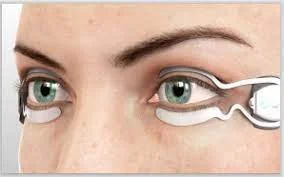
One of the most common causes of Dry Eye Disease is Meibomian Gland Dysfunction (MGD). When these glands become clogged, they can't release enough oil to keep your tears from evaporating.
TearCare is an advanced in-office treatment designed to gently warm the eyelids and soften blocked oils inside the meibomian glands. After the glands are warmed, your eye doctor can express the trapped oils, helping restore healthier gland function.
By improving the quality of your natural tears, TearCare can help reduce symptoms such as burning, irritation, fluctuating vision, and dryness. Many patients experience more lasting relief compared to relying on artificial tears alone.
Lacrifill: Helping Your Natural Tears Last Longer
For patients who don't produce enough tears or whose tears drain away too quickly, Lacrifill offers another effective treatment option.
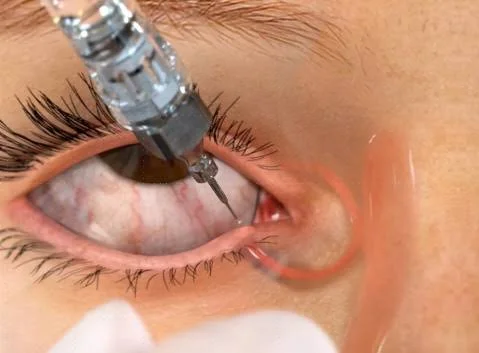
Unlike traditional punctal plugs, Lacrifill is a soft gel that fills the tear drainage canaliculus, helping your natural tears remain on the surface of the eye longer. The procedure is quick, comfortable, and performed right in our office.
Because Lacrifill helps retain your own natural tears, many patients enjoy improved comfort throughout the day without constantly reaching for lubricating eye drops.
Personalized Dry Eye Care in Staten Island
No two cases of Dry Eye Disease are exactly alike. Some patients benefit most from improving the function of their meibomian glands with TearCare, while others may achieve better results with Lacrifill. In some cases, a combination of treatments provides the best outcome.
At Focus Vision Care, we take the time to understand your symptoms, evaluate your eye health, and create a treatment plan tailored to your needs. Our goal is to provide long-term relief so you can enjoy clearer, more comfortable vision.
Schedule Your Dry Eye Evaluation
If dry, burning, itchy, or watery eyes are interfering with your daily life, don't settle for temporary relief.
Focus Vision Care offers comprehensive dry eye evaluations and advanced treatment options, including TearCare, Lacrifill, and meibography, to help identify and treat the underlying cause of your symptoms.
Located at 2260 Victory Blvd, Staten Island, NY 10314
Call us 718-448-1622
Book your appointment online https://www.focusvisioncare.com
Can contact lenses correct all vision problems?
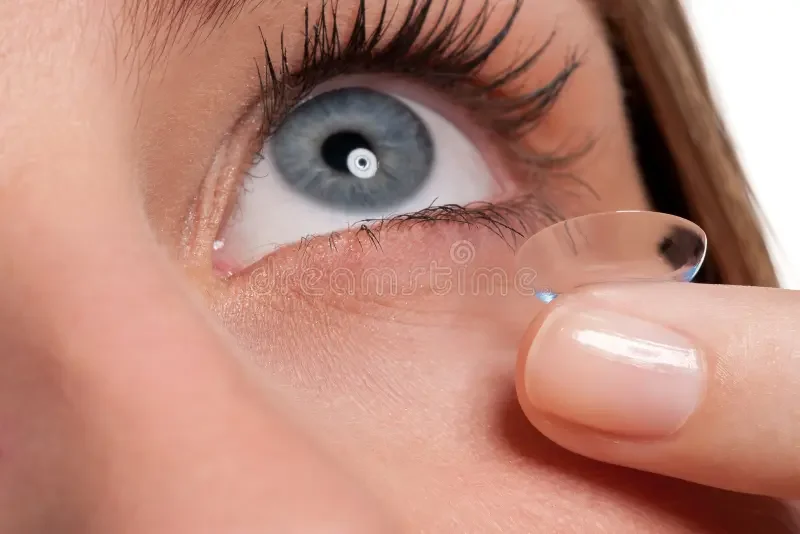
Contact lenses are super popular for clear vision without glasses but can they fix every eye issue?
Let’s find out.
What Contact Lenses Can Correct
Here’s what contact lenses do well:
Nearsightedness (Myopia)
You see close-up clearly, but far away looks blurry.
Farsightedness (Hyperopia)
You see far away fine, but close-up is fuzzy.
Astigmatism
Your eye is shaped more like a football than a basketball.
Special lenses called toric lenses can correct this.
Presbyopia (age-related reading problems)
Happens around age 40+ when reading gets harder.
Multifocal or bifocal contacts can help you see near and far.
What Contacts Might Not Fully Fix
Some vision problems are more complex:
Very high prescriptions
Some people with extreme vision issues may not get perfect corrections with contacts.
Keratoconus
This condition makes the cornea thin and cone-shaped.
Special lenses like rigid gas permeable or scleral lenses may be needed.
Dry Eye
Contacts can make dry eyes worse.
Some people can't wear them comfortably at all.
So, Can Contacts Fix Everything?
Not always. But for most common vision problems, yes, they work very well.
For more complex issues, there are special lenses or other treatments available.
Not Sure Where to Start?
At Focus Vision Care, we take the time to understand your vision, lifestyle, and eye health. Our expert team will guide you in choosing the best contact lens for your unique eyes.
Professional Fittings
Full Range of Contact Lens Options
Ongoing Support & Aftercare
Located at 2260 Victory Blvd, Staten Island, NY 10314
Call us at 718 448 1622
Book online at https://www.focusvisioncare.com/
How long can I wear contact lenses before I need to replace them?

Wearing contact lenses is super convenient but knowing when to replace them is just as important as putting them in. If you wear them too long, it can lead to eye irritation, infections, or blurry vision.
So, let’s break it down nice and easy!
Different Types = Different Wear Times
Not all contact lenses are the same. Here’s how long you can typically wear each kind:
Daily Disposable Lenses
Replace: Every day
Good for: People who want a fresh pair every morning
Warning: Never reuse them!
Bi-weekly (2-week) Lenses
Replace: Every 14 days
Wear time: Up to 14 uses (not 14 days in a row if you don’t wear them daily)
Clean & store every night in solution.
Monthly Lenses
Replace: Once a month (30 days after opening)
Clean every day, even if you skip wearing them for a few days.
Extended Wear Lenses
Replace: Depends on the brand (some last a week, some a month)
Can sleep in them (if approved by your eye doctor)
Important: Not all eyes can handle these. Get a professional okay.
What Happens If You Wear Them Too Long?
Dry or itchy eyes
Blurry vision
Eye infections (which can be serious!)
Redness or pain
If your eyes feel uncomfortable, it’s your body saying, “Hey, it’s time for a new pair!”
Pro Tips for Happy Eyes
Follow the schedule your eye doctor gave you.
Don’t sleep in lenses unless they’re designed for that.
Keep lenses clean and store them in a fresh solution.
Never use water to clean or store lenses.
If in doubt, throw them out!
Your contact lenses are like toothbrushes. You wouldn’t want to use an old one for weeks longer than you should, right? Stick to the replacement schedule, and your eyes will thank you.
If you’re ever unsure, ask your eye doctor. They’ll help you find the best option for your lifestyle.
Need Help Choosing the Right Contacts?
At Focus Vision Care, we specialize in custom contact lens fittings and eye care for all ages. Whether you're new to contacts or need help finding a lens that works better for your eyes, we’re here to help you see clearly, and comfortably.
Located at 2260 Victory Blvd, Staten Island, NY 10314
Call us at 718 448 1622
Book online at https://www.focusvisioncare.com/
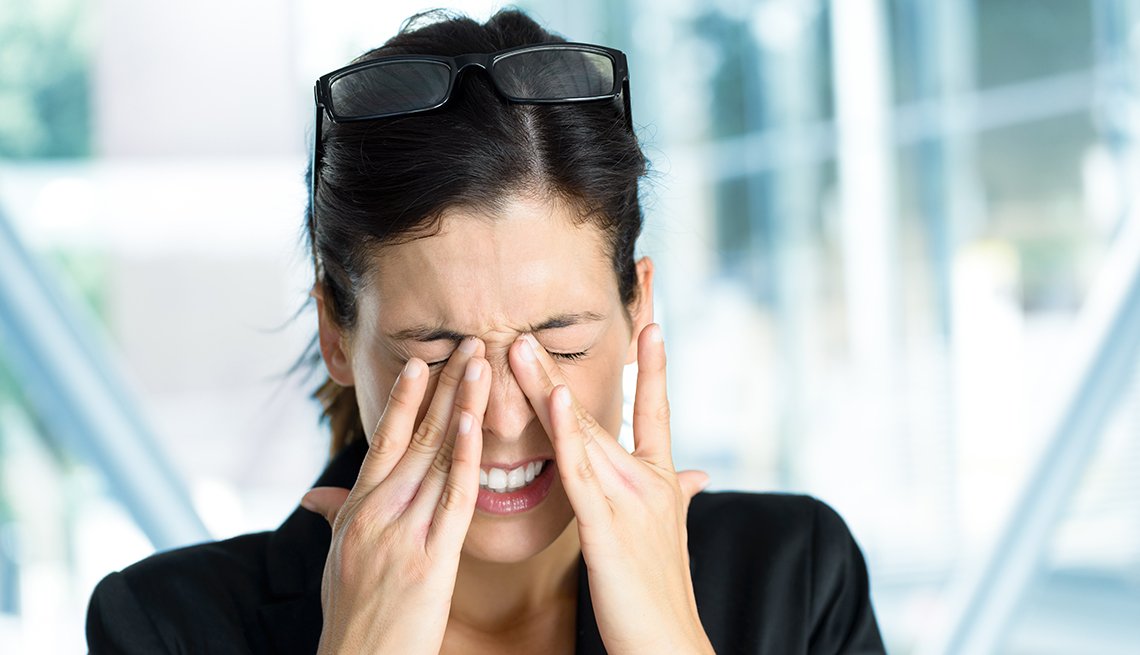
What is Dry Eye Disease?
Our optometrists examine your eyes and review your medical history to help isolate the reasons you experience due to dry eye regularly.
What is Dry Eye Disease?
Dry eye disease (DED) is a commonly found condition affecting over 16 million American adults today. It occurs when your eyes are unable to stay moist due to inadequate or insufficient tear production. Tears provide the moisture and nutrients that our eyes need to stay healthy and comfortable. When tear production is compromised in quality and quantity it can lead to some of undesirable symptoms such as:
Burning pain
Eye redness
Blurry vision
Mucus-like residue in eyes
Eye fatigue
Watery eyes
Did you know?
** Dry eye is common — nearly 16 million Americans have dry eye.
**Dry eye can happen if you spend a lot of time looking at your computer, tablet, or smartphone.
**If severe dry eye isn’t treated, it can sometimes damage your cornea, the clear outer layer at the front of your eye.
Causes of Dry Eyes
Steady sessions on digital screens can exaggerate the symptoms for someone with chronic dry eye. Although screen time isn’t always the root cause of dry eye disease, long periods on devices certainly don’t help. The initial cause of dry eye can include the following:
Blepharitis (swollen eyelids)
Refractive eye surgery (LASIK)
Smoky, windy, or very dry climates
Certain medications, including those for allergies, those for heart problems, antidepressants, and diuretics
Existing diseases, like thyroid disease and lupus
Hormonal changes in women following menopause
Inadequate Diet.
We strongly recommend that you address the root cause of your dry eyes because it is very critical in finding the right solution. Our optometrists examine your eyes and review your medical history to help isolate the reasons you experience due to dry eye regularly. If you or someone you know is suffering then Book a Dry Eye Exam today and take the first step towards clear, comfortable vision.
Can Screen Time Worsen Evaporative Dry Eye Disease?
One of the reasons your eyes can feel dry is that tears are evaporating too quickly. This is due to an inadequate lipid layer of the tears. The lipid layer acts as an oily barrier to natural evaporation. When glands in your eyelids fail to produce this lipid layer it is known as meibomian gland dysfunction (MGD) and leads to evaporative dry eye (EDE).
Studies suggest that prolonged computer use and exposure to digital screens can impact how quickly our tears evaporate. When tears are evaporating too quickly our eyes start to feel dry. The main reason for increased evaporation is that we blink 66% less when using a computer compared to other daily activities. But you can help your eyes simply by blinking more when staring at digital screens.

Tips to Manage Screen-Related Dry Eye
Being aware that too much screen time increases the symptoms of dry eye disease will help you help yourself. You can limit the consequences of CVS with some of the following techniques. If your dry eyes get worse or the symptoms never go away, it’s best to contact us for a Dry Eye Exam.
Blink Often
Most people blink less when they are using a computer. The average person blinks 15-20 times a minute during everyday activities. This can drop down to only 5 times per minute when you are focusing on a digital screen. So remember to blink every few seconds to help prevent your eyes from drying out!
Stay Hydrated
Keeping yourself hydrated is always a good idea, especially if you suffer from dry eyes. It’s recommended that you drink anywhere between 2-4 litres of water every day, depending on your size and weight. A lack of water can increase dry eye discomfort, so stay hydrated while you’re on the computer.
The 20-20-20 Rule
Here’s a simple rule that will help your eyes recover while you’re working on a digital screen. Every 20 minutes, take a 20 second break, and focus on something 20 feet away. This easy-to-do technique will give your eyes some quick relief from staring at screens right in front of you.
Improve Your Air Quality
help reduce dry eye symptoms. Remember that air conditioners lower moisture .Having the right air environment while you work air. Try turning down the AC when you expect a lot of screen time. If your dry eyes are constant when using the laptop, think about investing in a humidifier.
Remove Your Contacts
Your dry eyes may be exaggerated by wearing contact lenses during long sessions in front of digital screens. Wearing contacts creates a barrier that makes it harder for oxygen to reach the eye’s surface. Since we generally blink less in front of a screen, contact use can leave your eyes feeling dry. Consider switching to glasses or changing the type of Contacts when screen time is going into overtime.
It’s normal for your eyes to feel dry after long periods of staring at your computer or cell phone. Dry eyes can be caused by several things, but we often feel increased discomfort after serious sessions on our digital devices. Recognizing digital eye strain as a catalyst for dry eyes can help you try to prevent it from happening.
Too much screen time can expose inadequate tear production in your eyes. Thinking that dry eyes will “just go away” is a foolish choice. Instead, visit us for a Dry Eye Exam. Uncovering the root cause of your dry eyes is the fastest way to use all your screens comfortably and pain-free.
What’s the treatment for dry eye?
Treatment for dry eye usually depends on what’s causing your symptoms. There are a few different types of treatment that can ease your symptoms and help keep your eyes healthy.

Over-the-counter eye drops. The most common treatment for mild dry eye is a type of eye drops called artificial tears. You can get these eye drops without a prescription. There are also over-the-counter moisturizing gels and ointments that may help your eyes feel better. All Teardrops are not created the same. So have your doctor recommend the best for your specific condition.
Prescription medicines. If your dry eye is more serious, your eye doctor may give you a prescription for medicines called cyclosporine (Restasis) or lifitegrast (Xiidra). These medicines are both types of eye drops that can help your eyes make more tears.
Lifestyle changes. If something in your life or your environment is causing your dry eye, or making it worse, your doctor may suggest changes to help protect your eyes.
For example, if a medicine you take for another health condition is causing dry eye, your doctor may also suggest that you try a different medicine.
Your eyes may also feel better if you:
Try to avoid smoke, wind, and air conditioning
Use a humidifier to keep the air in your home from getting too dry
Limit screen time and take breaks from staring at screens
Wear wraparound sunglasses when you're outside
Drink plenty of water — try for 8 to 10 glasses every day
Get enough sleep — about 7 to 8 hours a night
Tear duct plugs. If tears are draining too quickly from your eyes, your doctor may suggest putting special plugs (called punctal plugs) in your tear ducts (small holes in the inner corners of your eyes). These plugs can help keep your tears in your eyes.
Surgery. In some cases, dry eye can happen because your lower eyelids are too loose, causing tears to drain too quickly out of your eye. If this is the cause of your dry eye, your eye doctor may suggest surgery to fix your eyelids and help your tears stay on your eyes. This treatment is not very common.
Talk over your options with your doctor. If another health condition is causing your dry eye, treating that condition may improve your dry eye symptoms. Even if you have dry eye, there are lots of things you can do to help keep your eyes healthy. Remember these tips:
Follow your doctor's instructions for using your eye drops (over-the-counter or prescription)
Tell your doctor if dry eye is getting in the way of everyday activities
Consider lifestyle changes.
Discuss new treatment options including changing the type of Contact lenses you currently wear.