
☎ (718) 448-1622 ➤ 2260 Victory Blvd, Staten Island, NY 10314 ➤ focusvisioncareinc@gmail.com

Sports Glasses or Contact Lenses? What’s Best for Kids Who Play Sports?
Wondering whether sports glasses or contact lenses are better for your child? Learn the pros and cons of each option and find out what may work best for young athletes in Staten Island.
If your child needs vision correction and plays sports, you may be wondering: Are sports glasses or contact lenses the better choice?
The right option depends on your child’s age, sport, comfort level, and daily routine.
Here’s a simple guide for Staten Island parents.
Sports Glasses: Protection Comes First
Sports glasses are designed to provide clear vision while helping protect your child’s eyes during physical activity.

Benefits of sports glasses:
Impact-resistant and durable
Help protect the eyes during sports
No need to touch or care for contact lenses
Can work with many types of sports equipment
A great option for younger children
Best for: Younger kids, contact lens beginners, and children who play sports where eye protection is especially important, such as basketball, soccer, or hockey.
Contact Lenses: Clear Vision Without Frames
Contact lenses can be a convenient choice for older children and teens who are ready to take responsibility for lens care.

Benefits of contact lenses:
Wider field of vision
No frames to slip or get in the way
Won’t fog up like glasses
Easy to wear under helmets and other equipment
Can be comfortable for active kids once they get used to them
Best for: Responsible teens and older kids who are comfortable handling and caring for their lenses.
Which Is Better for Your Child?
There isn’t one answer for every young athlete. Sports glasses may be a better fit for some children, while contact lenses may be more convenient for others.
For certain sports, protective eyewear may also be recommended regardless of whether your child wears contacts.
At Focus Vision Care in Staten Island, we can help you find the right vision correction option based on your child’s sport, age, prescription, and lifestyle.
Whether they need sports glasses, contact lenses, or both, our goal is to help your child see clearly and stay comfortable while staying active.
Need Sports Vision Care in Staten Island?
Visit Focus Vision Care at: 2260 Victory Blvd, Staten Island, NY 10314
Call: 718-448-1622
Book an eye exam online: https://www.focusvisioncare.com/
If your child plays sports and needs vision correction, schedule a visit with Focus Vision Care to discuss the best option for their needs.

Does My Child Need Sports Glasses? What Staten Island Parents Should Know
Does your child wear glasses and play sports? Learn why sports glasses can help protect their eyes and keep them comfortable on the field. See how Focus Vision Care in Staten Island can help.
If your child wears glasses and plays sports, you may be wondering: “Do they need special sports glasses?”
The answer is often yes. Regular glasses are made for everyday use, while sports glasses are designed to provide a more secure fit and better protection during activities.
Why Choose Sports Glasses?
Sports glasses can help your child:

Protect their eyes with impact-resistant lenses
Keep their glasses in place while running and playing
Stay comfortable during sports and activities
See clearly while tracking the ball and watching the game
Sports like baseball, basketball, soccer, tennis, and lacrosse can all involve unexpected impacts, so proper eyewear is an important part of your child's sports gear.
Does My Child Need Them?
Every child and every sport is different. The best way to know what your child needs is to have their vision and eyewear needs evaluated by an eye care professional.
At Focus Vision Care in Staten Island, we can help you find the right eyewear for your child's prescription, activity, and lifestyle.
Getting Ready for a New School Year?
Before school starts, make sure your child's vision is ready for the classroom and the playing field.
A back-to-school eye exam is a great opportunity to check your child's vision and make sure their glasses or sports eyewear are still the right fit.
Visit us at 2260 Victory Blvd, Staten Island, NY 10314
Call us at 718-448-1622
Book your eye exam: Focus Vision Care
Schedule your child's eye exam today and start the school year with clear vision and confidence.
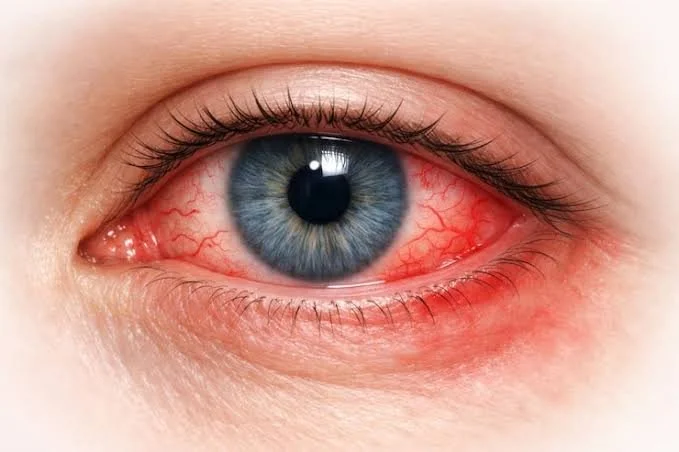
How to Prevent Eye Infections: Simple Tips for Healthy Eyes
Learn 5 simple ways to prevent eye infections, including proper hand washing, contact lens care, eye makeup hygiene, and avoiding eye rubbing. Find out when you should see an eye doctor in Staten Island.
Eye infections can cause redness, itching, swelling, irritation, and discharge. Fortunately, many common eye infections can be prevented with a few simple daily habits.
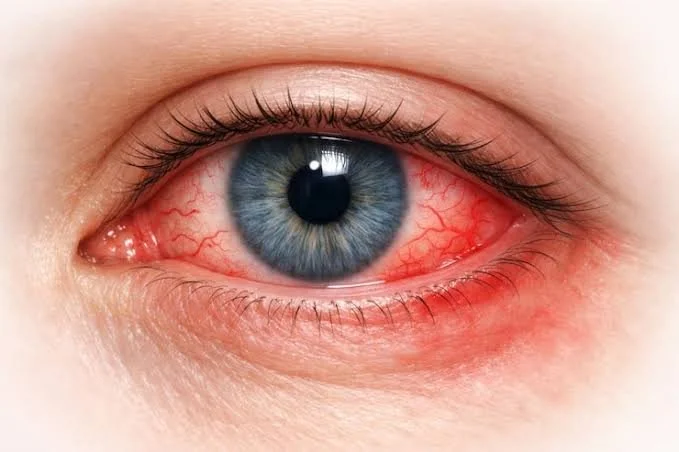
If you live in Staten Island, NY and are experiencing symptoms of an eye infection, an eye doctor can determine the cause and recommend the right treatment.
5 Simple Ways to Prevent Eye Infections
1. Wash Your Hands Before Touching Your Eyes
Your hands can carry bacteria and viruses. Wash your hands with soap and water before:
Touching or rubbing your eyes
Putting in or removing contact lenses
Applying eye makeup
Using eye drops
2. Don't Share Eye Makeup or Eye Products
Avoid sharing mascara, eyeliner, eye makeup brushes, contact lenses, or eye drops. Sharing these items can spread germs and increase your risk of an eye infection.
Replace old eye makeup regularly, especially mascara and liquid eyeliner.
3. Take Care of Your Contact Lenses
Proper contact lens care is one of the best ways to protect your eyes.
Always:
Use fresh contact lens solution
Follow your eye doctor's instructions
Keep your contact lens case clean
Replace lenses and cases as recommended
Avoid sleeping in contacts unless your eye doctor has approved it
Never use water or saliva to clean contact lenses.
4. Remove Eye Makeup Before Bed
Leaving makeup on overnight can irritate your eyes and contribute to blocked glands or infection.
Gently remove makeup from your eyelids and lashes every night. Avoid getting makeup remover directly into your eyes.
5. Avoid Rubbing Your Eyes
Itchy eyes can be tempting to rub, but rubbing can transfer germs to your eyes and cause additional irritation.
Instead, wash your hands and use a clean, cool compress if your eyes feel irritated.
When Should You See an Eye Doctor?
Contact an eye doctor if you develop:
Persistent eye redness
Swelling around the eye
Eye pain
Yellow or green discharge
Increased sensitivity to light
Blurred or changing vision
Symptoms that are getting worse
Some eye infections can require professional treatment, so don't ignore symptoms that persist or become severe.
Eye Infection Treatment in Staten Island, NY
If you're looking for eye infection treatment in Staten Island, Focus Vision Care provides eye care for patients
Visit us at 2260 Victory Blvd, Staten Island, NY 10314
Call us at 718-448-1622
Book your eye exam: Focus Vision Care
If you have redness, irritation, swelling, or discharge, schedule an eye exam to find out what's causing your symptoms.
Healthy eyes start with good daily habits. Take care of your eyes, and don't ignore changes in your vision or eye health
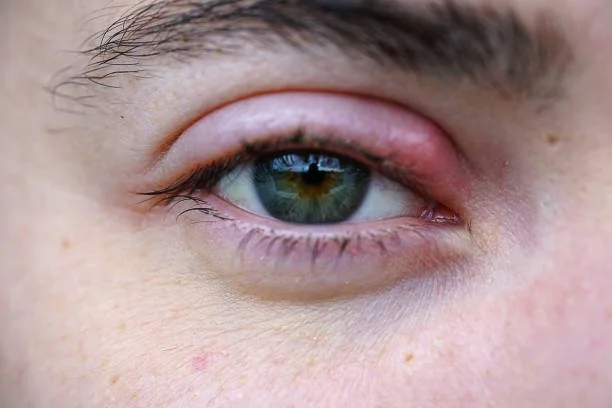
Why Do I Keep Getting Styes?
Keep getting styes? Recurrent styes may be linked to blepharitis, blocked eyelid oil glands, poor eyelid hygiene, dry eye, or other underlying conditions. Learn why styes keep coming back and how proper eye care can help prevent them.
Have you ever had a stye disappear, only to have another one show up a few weeks later?
If you keep getting styes, there may be more going on than just bad luck. Recurrent styes can sometimes be related to eyelid inflammation, blocked oil glands, poor eyelid hygiene, or certain skin conditions.
Here are some of the most common reasons.
1. Blepharitis
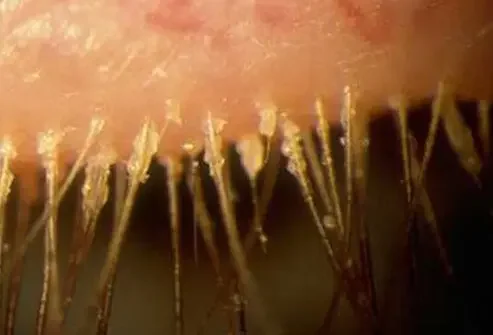
Blepharitis is inflammation of the eyelids and is a common cause of recurring eyelid problems.
If your eyelids are often red, itchy, crusty, irritated, or burning, blepharitis may be contributing to your styes.
2. Blocked Oil Glands
Your eyelids contain tiny oil glands called meibomian glands. They produce oils that help keep your tears from evaporating.
When these glands become blocked or don't work properly, they can contribute to styes, chalazia, eyelid inflammation, and dry eyes.
3. Poor Eyelid Hygiene
Oil, makeup, skin debris and bacteria can build up along your eyelashes and eyelids.
If you frequently get styes, make sure you:
Remove eye makeup before bed
Keep your eyelids clean
Wash your hands before touching your eyes
Avoid rubbing your eyes
4. Makeup & Contact Lens Hygiene
Old eye makeup, dirty makeup brushes, or improper contact lens hygiene can increase irritation and bacterial exposure around the eyes.
Replace old eye makeup regularly and always wash your hands before handling contact lenses.
5. Rosacea & Skin Conditions
Skin conditions such as rosacea and dandruff can sometimes affect the eyelids and contribute to inflammation and blocked oil glands.
If you have recurring styes along with chronic eyelid irritation, it's worth having your eyelids evaluated.
Stye or Chalazion?
Not every eyelid bump is a stye.
A stye is usually red, swollen and tender.
A chalazion is typically a firmer lump that develops when an oil gland becomes blocked. It may remain even after the initial inflammation goes away.
An eye examination can help determine what you're actually dealing with.
How Can I Stop Getting Styes?
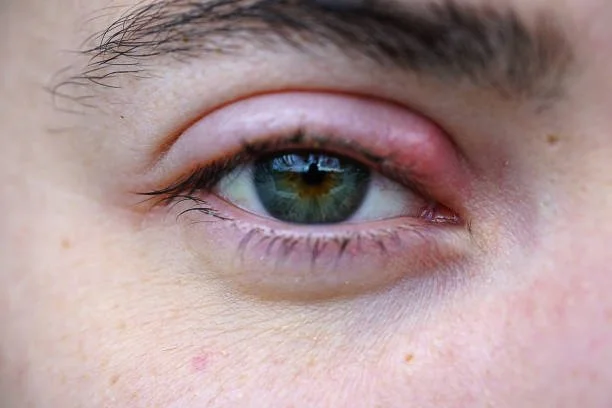
If styes keep coming back, don't just treat each new bump. Find out what's causing them.
Your eye doctor may evaluate your eyelids, oil glands and ocular surface for conditions such as blepharitis, meibomian gland dysfunction and dry eye disease and recommend a personalized prevention plan.
Recurrent Styes? We Can Help.
At Focus Vision Care in Staten Island, we look beyond the stye to identify underlying eyelid and eye-surface problems that may be causing repeated flare-ups.
If you're tired of getting styes over and over, schedule an eye evaluation and let us help you find the cause.
Address
2260 Victory Blvd
Staten Island, NY 10314
Call Us
718-448-1622
Book an Appointment Online
https://www.focusvisioncare.com
Don't just treat the next stye. Find out why it keeps coming back.