
☎ (718) 448-1622 ➤ 2260 Victory Blvd, Staten Island, NY 10314 ➤ focusvisioncareinc@gmail.com
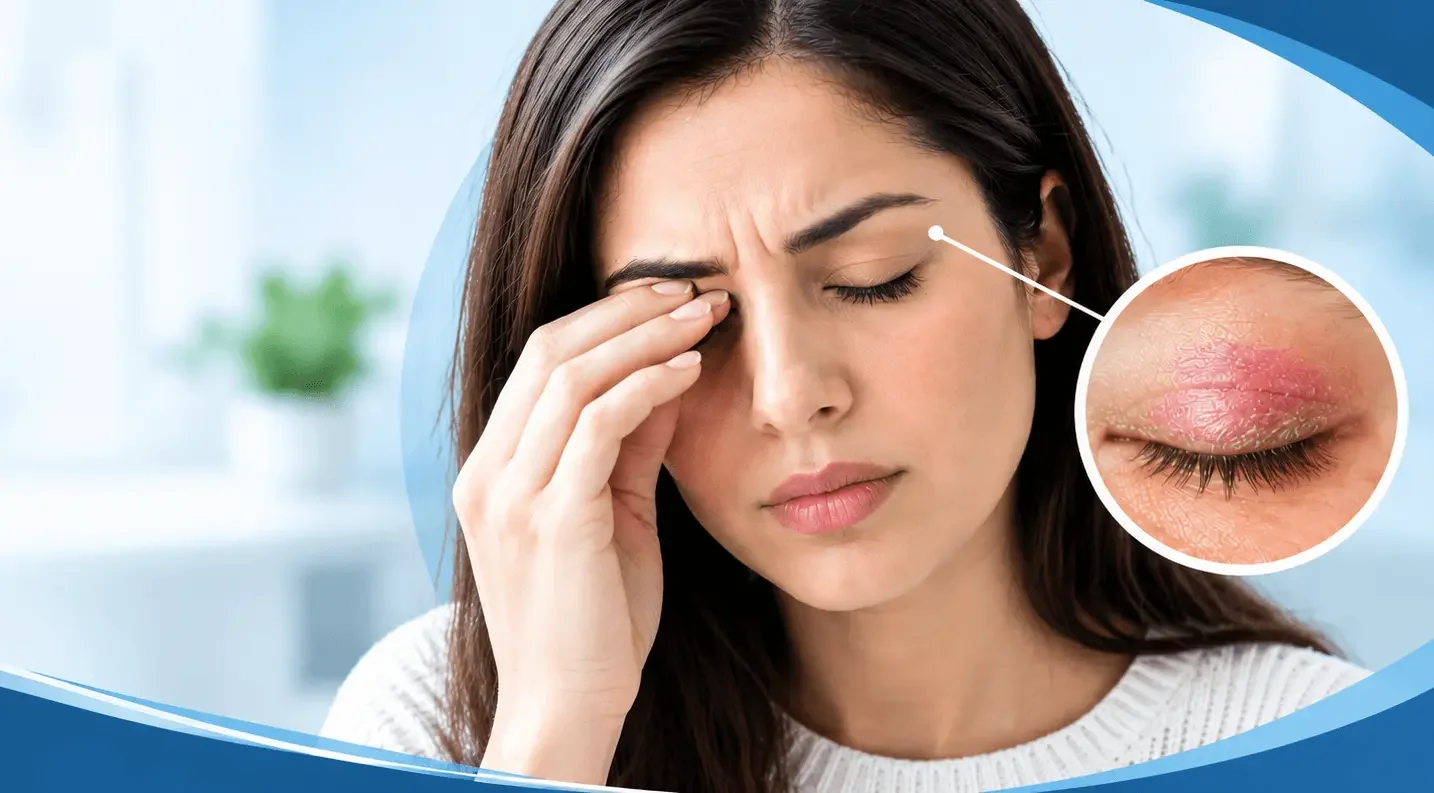
Irritated Eyelids: Causes, Home Care & When to See an Eye Doctor
Irritated, red or itchy eyelids? Learn the common causes, what you can do at home, and when to see an eye doctor in Staten Island.
Red, itchy, swollen or burning eyelids are one of the most common reasons people visit an eye doctor. Irritated eyelids are rarely dangerous, but they can be uncomfortable, and when they keep coming back there is usually an underlying cause that can be treated.
This guide explains the most common causes of irritated eyelids, what you can safely do at home, and the signs that mean it is time to book an eye exam.
What do irritated eyelids feel like?
Irritated eyelids can show up in different ways. You may notice:
Redness along the lash line or across the whole lid
Itching or burning
Swelling or puffiness
Crusting or flaking at the base of the lashes, often worse in the morning
A gritty feeling, like something is in your eye
Watery eyes or sticky discharge
Lids that look greasy or scaly
Symptoms can affect one eye or both, and the cause often shows up in the pattern.
Common causes of irritated eyelids
1. Blepharitis
Blepharitis is inflammation of the eyelid margins and is one of the most common causes of chronic eyelid irritation. It often causes red, itchy, crusty lids, and symptoms tend to come and go. It is usually a long-term condition that can be managed but not always cured, which is why proper diagnosis matters.
2. Demodex mites
Demodex are microscopic mites that live on human skin, including the eyelashes. Everyone has some, but an overgrowth can irritate the eyelids. A classic sign is collarettes, small cylindrical, sleeve-like deposits at the base of the lashes. Read more in our guide to demodex mites on eyelashes.
3. Dry eye and blocked oil glands
The meibomian glands along your eyelid edges produce the oil layer of your tears. When they become blocked or stop working well, the eyes can become dry and the eyelids inflamed. This is called meibomian gland dysfunction (MGD), and it often goes together with blepharitis. Learn more about our dry eye treatments.
4. Styes and chalazia
A stye is a tender, red bump on the eyelid caused by an infected oil gland or lash follicle. A chalazion is a firmer, usually painless lump from a blocked oil gland. Both can make the whole eyelid look red and swollen. If you keep getting them, see why you keep getting styes.
5. Allergies
Seasonal allergies, pet dander, dust, and reactions to products can cause itchy, puffy eyelids, usually in both eyes. Allergic reactions to eye makeup, face creams, shampoo, eye drops, or even nail products transferred by touching your face can cause contact dermatitis on the delicate eyelid skin.
6. Makeup and skincare products
Old mascara, eyeliner worn on the inner lash line, makeup left on overnight, and dirty brushes can all irritate the lids and clog the oil glands. Eye makeup should generally be replaced every three months.
7. Contact lens problems
Dirty lenses, overwearing, sleeping in lenses, or a poor lens-case routine can lead to irritated, red eyelids and eyes. If your eyelids are irritated and you wear contacts, take the lenses out and switch to glasses until you have been checked.
8. Skin conditions
Rosacea, eczema and seborrheic dermatitis (dandruff) frequently involve the eyelids and are common hidden causes of recurring irritation.
9. Other causes
Less commonly, irritated eyelids can be caused by an eyelid infection, a foreign body, or an eyelid that turns in or out. These need an exam to diagnose.
What can you do at home?
For mild irritation, these steps are generally safe and often help:
Use a warm compress. Hold a clean, warm (not hot) washcloth over closed eyelids for 5 to 10 minutes, once or twice a day. Warmth helps loosen crusts and thin the oils in blocked glands.
Clean the lid margins gently. Use a lid cleanser or wipes made for eyelids, or a very diluted mild solution recommended by your eye doctor. Clean along the base of the lashes with your eyes closed.
Stop eye makeup for a while. Skip mascara and eyeliner until the irritation settles, and throw out old products.
Switch from contacts to glasses. Give your eyes a break until they feel normal.
Use preservative-free artificial tears if your eyes feel dry or gritty.
Try a cool compress if itching and puffiness seem allergy-related.
Wash your hands before touching your eyes, and avoid rubbing them. Rubbing makes inflammation and itching worse.
Avoid using essential oils, tea tree oil products, or home remedies on or near your eyes unless your eye doctor has recommended them. Many of these can burn or cause allergic reactions on thin eyelid skin.
When should you see an eye doctor?
Book an exam if:
The irritation lasts more than one to two weeks or keeps coming back
You have crusting, flaking, or collarettes at the base of your lashes
You keep getting styes or lumps on your eyelids
Your eyes are dry, burning, or constantly watery
Home care helps only briefly
You wear contact lenses and your eyelids or eyes are red or sore
Get urgent care promptly if you have severe pain, a change in your vision, sensitivity to light, swelling that spreads to the cheek or around the eye, redness that is spreading, fever, or you had an injury or chemical exposure to the eye. These can be signs of a more serious problem.
How an eye doctor treats irritated eyelids?
Your exam will look closely at your eyelids, lashes, oil glands, and the surface of your eyes using magnification. Because several of these conditions look alike, the cause matters. Treatment depends on what is found and may include a customized lid-care routine, treatment for dry eye or blocked glands, medication when needed, or targeted treatment for demodex.
The goal is to find out why your eyelids keep getting irritated, so you are not just treating symptoms each time they flare.
Irritated eyelids? We can help in Staten Island
At Focus Vision Care, we look beyond the symptoms to find what is actually causing eyelid irritation, and we build a plan to keep it under control.
Book an eye exam in Staten Island
Address: 2260 Victory Blvd, Staten Island, NY 10314
Phone: 718-448-1622
Frequently Asked Questions
-
The most common causes are blepharitis, dry eye and blocked oil glands, allergies, old or irritating makeup, contact lens problems, and demodex mites. Skin conditions such as rosacea and eczema can also affect the eyelids.
-
A warm compress for 5 to 10 minutes, gentle lid cleaning, and a break from eye makeup and contact lenses usually help. If you are not improving within a week or two, see an eye doctor.
-
Usually not. Blepharitis, allergies, and dry eye are not contagious. An eyelid infection can sometimes spread, so wash your hands often and don’t share towels or makeup.
-
Yes. Poor lens hygiene, overwearing, and sleeping in lenses can all cause eyelid and eye irritation. Remove your lenses and see an eye doctor if symptoms continue.
-
Yes. An overgrowth of demodex can cause itchy, red eyelids and crusty lashes. Collarettes at the base of the lashes are a typical sign. An eye doctor can confirm it with a close exam.
-
Mild irritation from an allergy or a new product often settles in a few days once you remove the trigger. Chronic conditions like blepharitis usually need ongoing care, so persistent symptoms deserve an exam.

Sports Glasses or Contact Lenses? What’s Best for Kids Who Play Sports?
Wondering whether sports glasses or contact lenses are better for your child? Learn the pros and cons of each option and find out what may work best for young athletes in Staten Island.
If your child needs vision correction and plays sports, you may be wondering: Are sports glasses or contact lenses the better choice?
The right option depends on your child’s age, sport, comfort level, and daily routine.
Here’s a simple guide for Staten Island parents.
Sports Glasses: Protection Comes First
Sports glasses are designed to provide clear vision while helping protect your child’s eyes during physical activity.

Benefits of sports glasses:
Impact-resistant and durable
Help protect the eyes during sports
No need to touch or care for contact lenses
Can work with many types of sports equipment
A great option for younger children
Best for: Younger kids, contact lens beginners, and children who play sports where eye protection is especially important, such as basketball, soccer, or hockey.
Contact Lenses: Clear Vision Without Frames
Contact lenses can be a convenient choice for older children and teens who are ready to take responsibility for lens care.

Benefits of contact lenses:
Wider field of vision
No frames to slip or get in the way
Won’t fog up like glasses
Easy to wear under helmets and other equipment
Can be comfortable for active kids once they get used to them
Best for: Responsible teens and older kids who are comfortable handling and caring for their lenses.
Which Is Better for Your Child?
There isn’t one answer for every young athlete. Sports glasses may be a better fit for some children, while contact lenses may be more convenient for others.
For certain sports, protective eyewear may also be recommended regardless of whether your child wears contacts.
At Focus Vision Care in Staten Island, we can help you find the right vision correction option based on your child’s sport, age, prescription, and lifestyle.
Whether they need sports glasses, contact lenses, or both, our goal is to help your child see clearly and stay comfortable while staying active.
Need Sports Vision Care in Staten Island?
Visit Focus Vision Care at: 2260 Victory Blvd, Staten Island, NY 10314
Call: 718-448-1622
Book an eye exam online: https://www.focusvisioncare.com/
If your child plays sports and needs vision correction, schedule a visit with Focus Vision Care to discuss the best option for their needs.

How to Prevent Eye Infections: Simple Tips for Healthy Eyes
Learn 5 simple ways to prevent eye infections, including proper hand washing, contact lens care, eye makeup hygiene, and avoiding eye rubbing. Find out when you should see an eye doctor in Staten Island.
Eye infections can cause redness, itching, swelling, irritation, and discharge. Fortunately, many common eye infections can be prevented with a few simple daily habits.
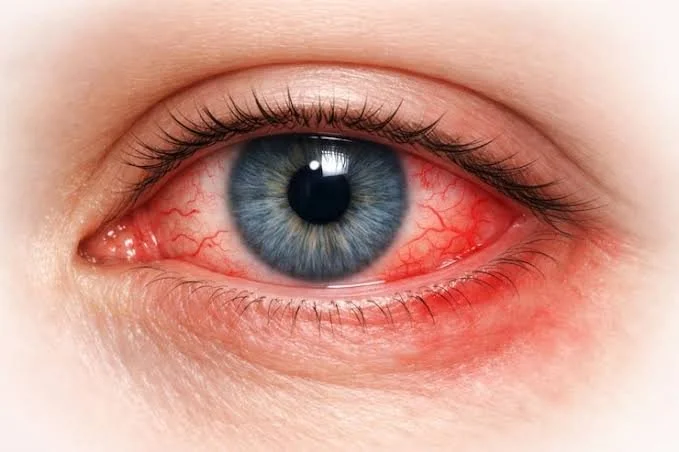
If you live in Staten Island, NY and are experiencing symptoms of an eye infection, an eye doctor can determine the cause and recommend the right treatment.
5 Simple Ways to Prevent Eye Infections
1. Wash Your Hands Before Touching Your Eyes
Your hands can carry bacteria and viruses. Wash your hands with soap and water before:
Touching or rubbing your eyes
Putting in or removing contact lenses
Applying eye makeup
Using eye drops
2. Don't Share Eye Makeup or Eye Products
Avoid sharing mascara, eyeliner, eye makeup brushes, contact lenses, or eye drops. Sharing these items can spread germs and increase your risk of an eye infection.
Replace old eye makeup regularly, especially mascara and liquid eyeliner.
3. Take Care of Your Contact Lenses
Proper contact lens care is one of the best ways to protect your eyes.
Always:
Use fresh contact lens solution
Follow your eye doctor's instructions
Keep your contact lens case clean
Replace lenses and cases as recommended
Avoid sleeping in contacts unless your eye doctor has approved it
Never use water or saliva to clean contact lenses.
4. Remove Eye Makeup Before Bed
Leaving makeup on overnight can irritate your eyes and contribute to blocked glands or infection.
Gently remove makeup from your eyelids and lashes every night. Avoid getting makeup remover directly into your eyes.
5. Avoid Rubbing Your Eyes
Itchy eyes can be tempting to rub, but rubbing can transfer germs to your eyes and cause additional irritation.
Instead, wash your hands and use a clean, cool compress if your eyes feel irritated.
When Should You See an Eye Doctor?
Contact an eye doctor if you develop:
Persistent eye redness
Swelling around the eye
Eye pain
Yellow or green discharge
Increased sensitivity to light
Blurred or changing vision
Symptoms that are getting worse
Some eye infections can require professional treatment, so don't ignore symptoms that persist or become severe.
Eye Infection Treatment in Staten Island, NY
If you're looking for eye infection treatment in Staten Island, Focus Vision Care provides eye care for patients
Visit us at 2260 Victory Blvd, Staten Island, NY 10314
Call us at 718-448-1622
Book your eye exam: Focus Vision Care
If you have redness, irritation, swelling, or discharge, schedule an eye exam to find out what's causing your symptoms.
Healthy eyes start with good daily habits. Take care of your eyes, and don't ignore changes in your vision or eye health
Advanced Dry Eye Treatments in Staten Island: TearCare & Lacrifill
Struggling with dry, burning, or watery eyes? Learn how TearCare®, Lacrifill®, and advanced meibography help treat Dry Eye Disease at Focus Vision Care in Staten Island.
If you've been using artificial tears every day but still experience burning, gritty, or watery eyes, it may be time to look beyond eye drops. While over-the-counter lubricating drops can provide temporary relief, they don't always address the underlying cause of Dry Eye Disease.
At Focus Vision Care in Staten Island, we believe successful treatment starts with an accurate diagnosis. Using advanced technology such as meibography, we can identify what's causing your dry eye symptoms and recommend personalized treatments designed to provide longer-lasting relief.
Why Finding the Cause Matters
Dry Eye Disease isn't the same for everyone. Some people don't produce enough tears, while others have tears that evaporate too quickly because the oil glands in their eyelids aren't functioning properly.
That's why the first step isn't choosing a treatment, it's understanding what's causing your symptoms.
During your dry eye evaluation, we use meibography to capture detailed images of your meibomian glands. These glands produce the protective oil layer of your tears, and when they're blocked or damaged, tears evaporate more quickly, leading to chronic irritation and discomfort.
This advanced imaging allows us to recommend treatments based on the root cause of your dry eyes rather than simply managing the symptoms.
TearCare: Treating the Source of Dry Eye
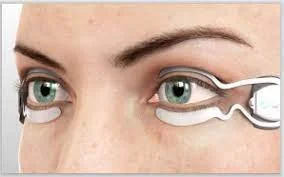
One of the most common causes of Dry Eye Disease is Meibomian Gland Dysfunction (MGD). When these glands become clogged, they can't release enough oil to keep your tears from evaporating.
TearCare is an advanced in-office treatment designed to gently warm the eyelids and soften blocked oils inside the meibomian glands. After the glands are warmed, your eye doctor can express the trapped oils, helping restore healthier gland function.
By improving the quality of your natural tears, TearCare can help reduce symptoms such as burning, irritation, fluctuating vision, and dryness. Many patients experience more lasting relief compared to relying on artificial tears alone.
Lacrifill: Helping Your Natural Tears Last Longer
For patients who don't produce enough tears or whose tears drain away too quickly, Lacrifill offers another effective treatment option.
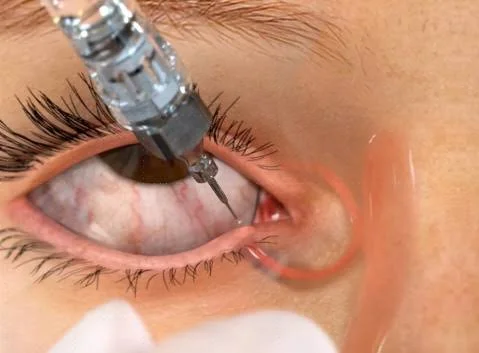
Unlike traditional punctal plugs, Lacrifill is a soft gel that fills the tear drainage canaliculus, helping your natural tears remain on the surface of the eye longer. The procedure is quick, comfortable, and performed right in our office.
Because Lacrifill helps retain your own natural tears, many patients enjoy improved comfort throughout the day without constantly reaching for lubricating eye drops.
Personalized Dry Eye Care in Staten Island
No two cases of Dry Eye Disease are exactly alike. Some patients benefit most from improving the function of their meibomian glands with TearCare, while others may achieve better results with Lacrifill. In some cases, a combination of treatments provides the best outcome.
At Focus Vision Care, we take the time to understand your symptoms, evaluate your eye health, and create a treatment plan tailored to your needs. Our goal is to provide long-term relief so you can enjoy clearer, more comfortable vision.
Schedule Your Dry Eye Evaluation
If dry, burning, itchy, or watery eyes are interfering with your daily life, don't settle for temporary relief.
Focus Vision Care offers comprehensive dry eye evaluations and advanced treatment options, including TearCare, Lacrifill, and meibography, to help identify and treat the underlying cause of your symptoms.
Located at 2260 Victory Blvd, Staten Island, NY 10314
Call us 718-448-1622
Book your appointment online https://www.focusvisioncare.com
Vision Insurance vs. Medical Insurance: Which One Should You Use for Your Eye Exam?
Confused about whether to use vision or medical insurance for your eye exam? Learn the difference from Focus Vision Care, your trusted eye doctor in Staten Island, NY.

Many patients ask us:
"Should I use my vision insurance or my medical insurance for my eye exam?"
The answer depends on why you're coming in. This simple guide will help you understand the difference.
Use Vision Insurance if you are:
Having your yearly routine eye exam
Checking if your glasses prescription has changed
Interested in contact lenses
Having blurry distance or near vision without an eye disease
A vision exam focuses on keeping your eyes healthy while determining the best prescription for glasses or contact lenses.
Use Medical Insurance if you have:
Dry eyes
Eye pain or redness
Cataracts
Glaucoma
Diabetes affecting your eyes
Macular degeneration
Eye infections
Flashes, floaters, or sudden vision changes
Other eye diseases or ongoing eye conditions
Medical insurance is used when your visit is for diagnosing or treating an eye health problem.
Good to know: Sometimes a routine eye exam uncovers a medical condition. If additional testing or treatment is needed, those follow-up visits are typically billed through your medical insurance.
Still Not Sure?
Don't worry, we'll help you determine which insurance is appropriate before your appointment and explain any out-of-pocket costs so there are no surprises. We accept most major vision and medical insurance plans.
At Focus Vision Care, we're committed to making eye care simple, personalized, and stress-free. Whether you need a routine eye exam, treatment for an eye condition, contact lenses, or dry eye care, our experienced team is here to help.
Located at 2260 Victory Blvd, Staten Island, NY 10314
Call us at 718-448-1622
Book online:https://www.focusvisioncare.com/
Photochromic Lenses vs. Prescription Sunglasses: Which Is Best for Staten Island Patients?
Compare transition lenses and prescription sunglasses to find the best choice for your lifestyle. Visit Focus Vision Care in Staten Island for personalized lens recommendations and comprehensive eye exams.
If you're tired of switching between your glasses and sunglasses, you may be wondering whether photochromic (transition) lenses are a better option.
What Are Photochromic Lenses?
Photochromic lenses are clear indoors and automatically darken when exposed to sunlight. They offer UV protection and are a convenient choice for people who wear prescription glasses every day.

Pros:
One pair of glasses for indoor and outdoor use
UV protection
Convenient for daily wear
Cons:
Don't darken fully inside most cars
Take a few moments to adjust when moving between light and dark environments
What About Sunglasses?
Sunglasses are always tinted and provide instant protection from bright sunlight. Polarized sunglasses can also reduce glare while driving or spending time outdoors.
Pros:
Immediate sun protection
Great for driving and outdoor activities
Polarized options reduce glare
Cons:
Requires a separate pair if you wear prescription glasses
Which Should You Choose?
Photochromic lenses are ideal if you want the convenience of one pair of glasses. If you spend a lot of time driving or outdoors, prescription sunglasses may provide better comfort and glare protection.
At Focus Vision Care in Staten Island, we help patients choose the right lenses for their lifestyle and vision needs. Whether you're considering transition lenses, prescription sunglasses, or both, our team can help you find the best option.
Located at 2260 Victory Blvd, Staten Island, NY 10314
Call us at 718-448-1622
Book online:https://www.focusvisioncare.com/

Blue Light Blocking: Do You Really Need It?
Wondering if blue light blocking glasses really help? Learn how blue light affects your eyes, who may benefit from blue light protection, and simple tips to reduce digital eye strain.
If you spend hours on a computer, tablet, or phone each day, you've probably heard about blue light blocking glasses. But do they really help?
Blue light is a natural part of sunlight and helps keep us alert during the day. The challenge is that we are exposed to screens much longer than ever before, especially in the evening. For some people, this can contribute to eye strain, headaches, and difficulty falling asleep.
Blue light blocking glasses and screen filters are designed to reduce the amount of blue light reaching your eyes. They may help improve comfort during long screen sessions and support better sleep when used at night.
You may benefit from blue light protection if:
You use digital devices for several hours daily
You frequently experience eye strain or headaches
You have trouble falling asleep after screen time
A few simple habits can also help:
Turn on Night Mode on your devices
Follow the 20-20-20 rule
Take regular breaks from screens
Reduce screen use before bedtime
At Focus Vision Care, we help patients find solutions for digital eye strain and screen-related vision concerns. If you're experiencing tired eyes, headaches, or blurred vision after long hours on screens, schedule an eye exam with our team to discuss whether blue light blocking lenses are right for you.
Located at 2260 Victory Blvd, Staten Island, NY 10314
Call us at 718-448-1622
Book online:https://www.focusvisioncare.com/